Close
|
|

|
|
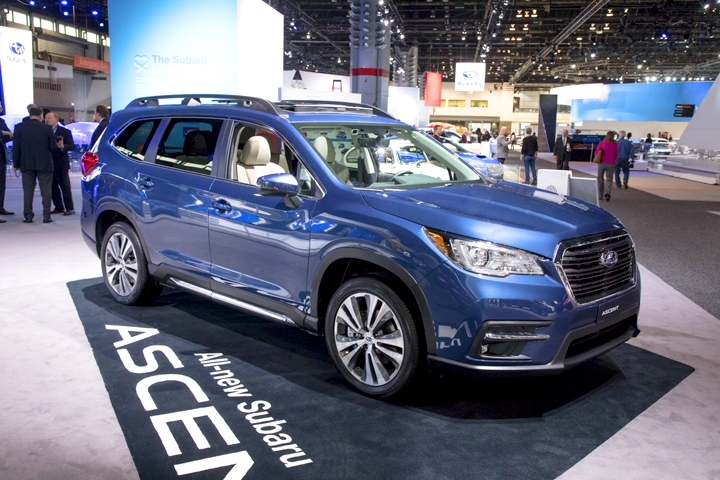
One of the top technical inquiries received at Ask I-CAR is, “Is there a sectioning or partial replacement procedure available?” To help answer this question, RTS has an OEM Partial Part Replacement Search available. Here you will find information on if these procedures are available on a specific vehicle. Let’s take a closer look at the 2019 Subaru Ascent.
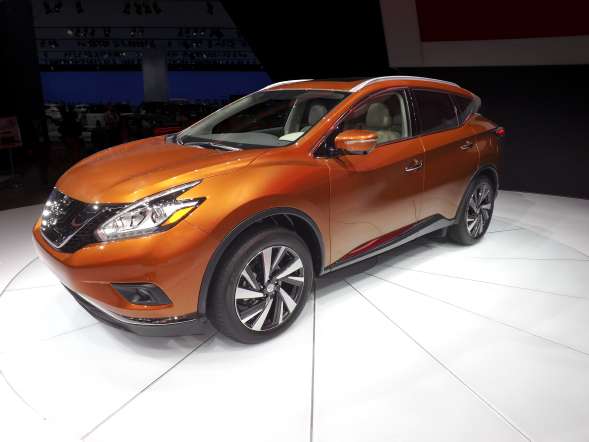
While many have noticed that advanced driver assistance systems (ADAS) are showing up on vehicles, there still is confusion on what is required of these systems after a collision occurs. The Ask I-CAR team frequently gets questions in regard to calibration of ADAS. Many of these questions can be answered simply by using the OEM Calibration Requirements Search. However, there are some questions that may need more details than the calibration search provides. Let’s take a look at the 2019 Nissan Murano.
The article released by Repairer Driven News (RDN) states that Honda body repair manuals and procedures are “written from the perspective of a body in white”. This means that other parts of the service site may need to be referenced for removal and installation of related parts, or other related operations, in order to proceed with procedures in the body repair manual (BRM).
Repairer Driven News (RDN) released an article focusing on factory spot welds and how OEM repair procedures may differ from how it was assembled at the factory. It touches on how factory equipment compares to what is available to the collision repair facilities and the effect this may have on the repair procedure.
Repairer Driven News (RDN) released an article that provides insight on Toyota occupant classification systems (OCS). It covers what the systems do, why it is important to calibrate them, and when calibration is required.
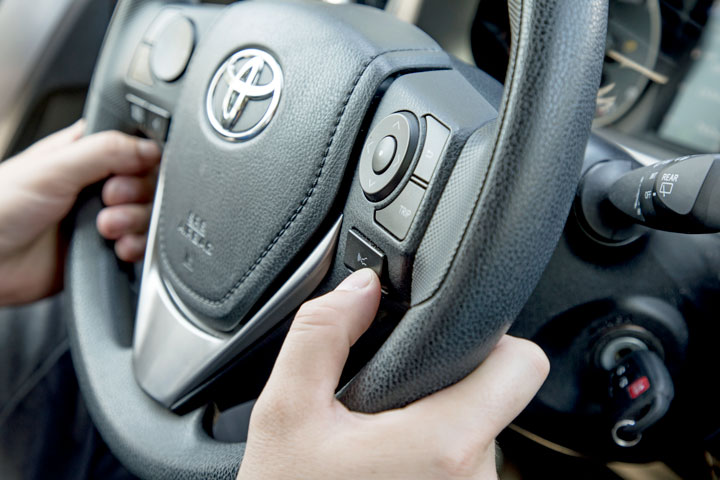
As vehicles are becoming more advanced, we are finding technology where it never was before. Sometimes it is in plain sight, such as infotainment systems, GPS, and a head-up display. However, sometimes it is concealed in places one may not expect.
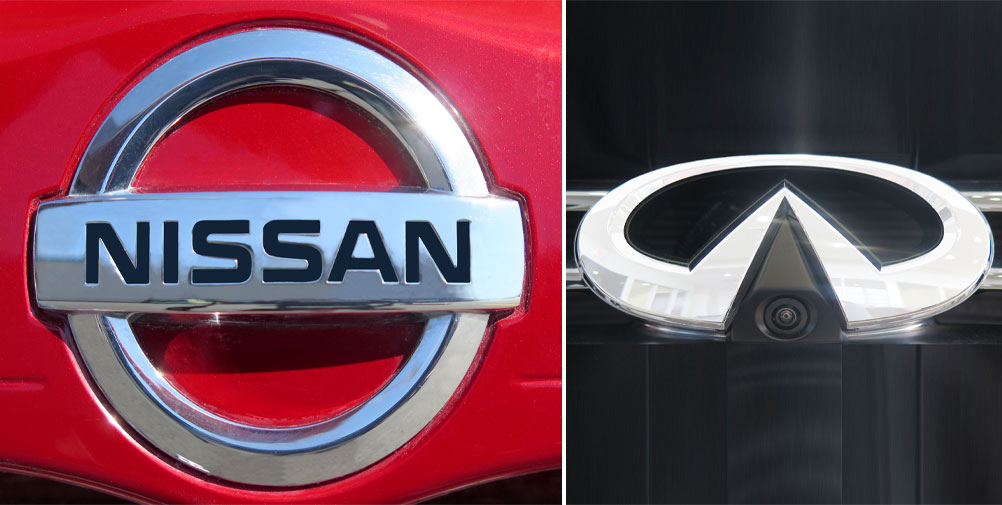
Vehicle makers may group their body repair manuals (BRM) in several different ways. Sometimes the BRMs are grouped by a year range, some are listed as VIN specific, and others are arranged by a body code. Let’s take a look at Nissan/INFINITI to see how they group their BRMs.
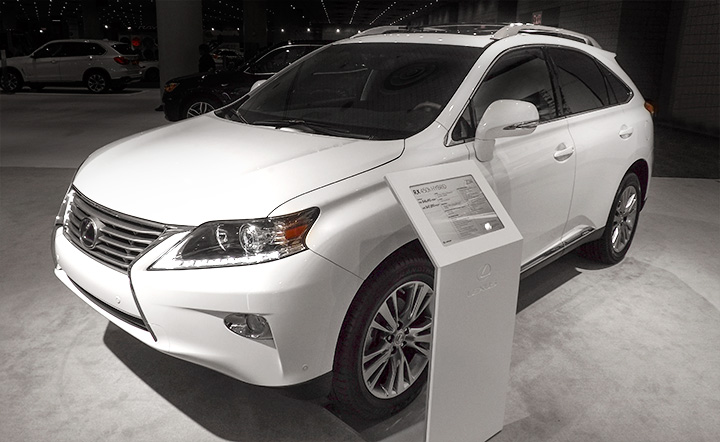
While many have noticed that advanced driver assistance systems (ADAS) are showing up on vehicles, there still is confusion on what is required of these systems after a collision occurs. The Ask I-CAR team frequently gets questions in regard to calibration of ADAS. Many of these questions can be answered simply by using the OEM Calibration Requirements Search. However, there are some questions that may need more details than the calibration search provides. Let’s take a look at the 2019 Lexus RX.
Repairer Driven News (RDN) released an article highlighting the return of the Voyager. It will be Chryslers entry level minivan, replacing the Chrysler Pacifica L and LX trims.
Shawn Collins from 3M products sat down for a one-on-one discussion on adhesive cartridges. You will find useful information on shelf life, partially used cartridges, expandable foam, and curing issues.
In case you missed it, there are now articles on how to purchase a subscription from specific OEMs. Why do you need a subscription to an OEM website if you have full access to the I-CAR Repairability Technical Support (RTS) portal?
Ford released a video about their fixed glass replacement. The video touches on key areas of glass removal and replacement. This is only an overview, and the vehicle-specific Workshop manual should always be referenced for glass procedures.
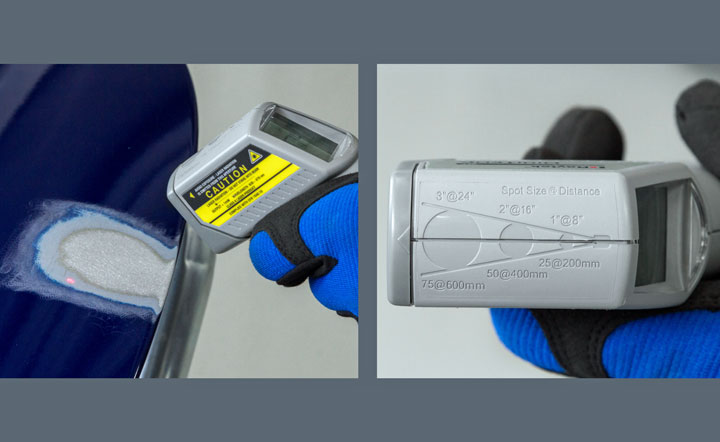
What is emissivity and why is it important during the repair process? Emissivity is the measure of an objects ability to emit infrared energy. This is important when it comes to monitoring panel temperature with certain tools.
Did you know that some OEMs specify nugget size for spot and plug welds? This information is typically found within vehicle-specific repair procedures or can be found under general welding guidelines. Let’s see what Ford/Lincoln has to say.
Repairer Driven News (RDN) has released two articles highlighting an underutilized resource. That resource could be a pipeline for an industry that is struggling to acquire and retain talent.