Close
|
|

|
|
I-CAR had a discussion on the Chicago Technical Center (CTC) updates.

The 2023 SkillsUSA National Leadership and Skills Conference took place on June 22, 2023. Every year I-CAR sends volunteers (virtually in 2021) to judge the collision repair technology competition. Let’s take a look at this year’s results.
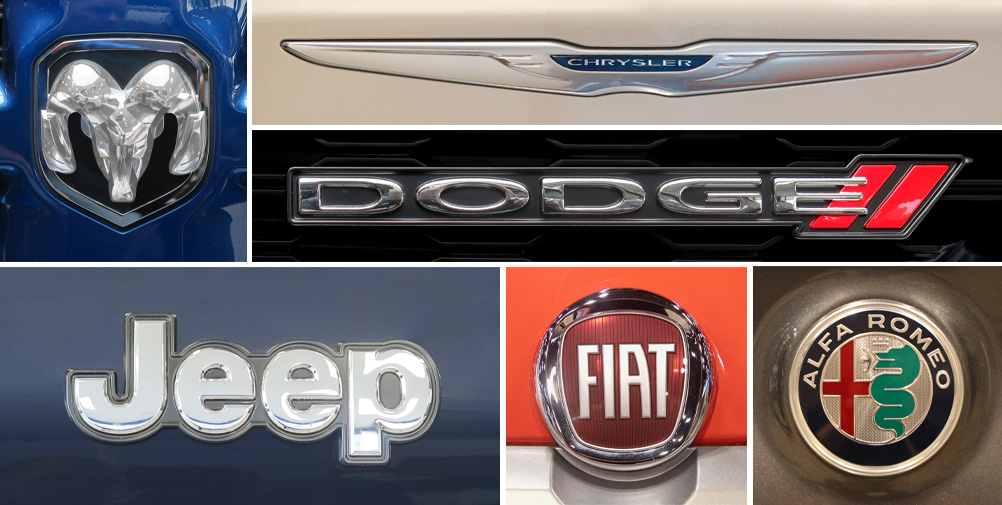
When confronted with a wiring harness repair, we often struggle finding the correct connector and pigtail repair kits. Often a specific connector may be used on multiple applications. If the connector is allowed to be replaced, what resources are available to locate approved wiring connector and pigtail repair kits? Let’s see what is available from FCA/Stellantis.
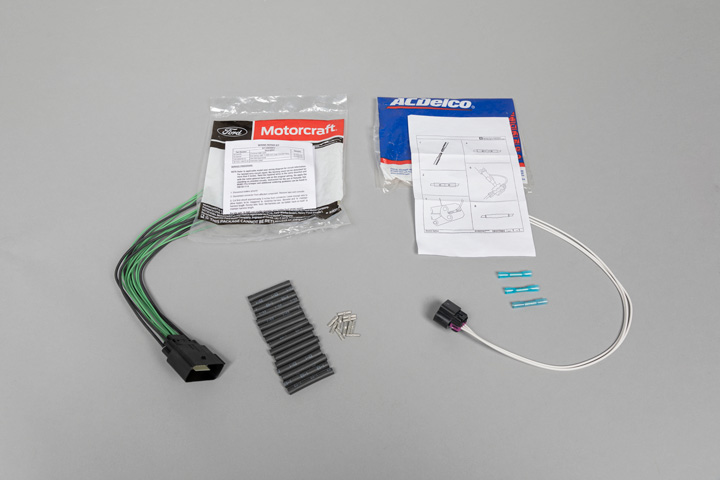
When confronted with a wiring harness repair, we often struggle finding the correct connector and pigtail repair kits. Often a specific connector may be used on multiple applications. If the connector is allowed to be replaced, what resources are available to locate approved wiring connector and pigtail repair kits?
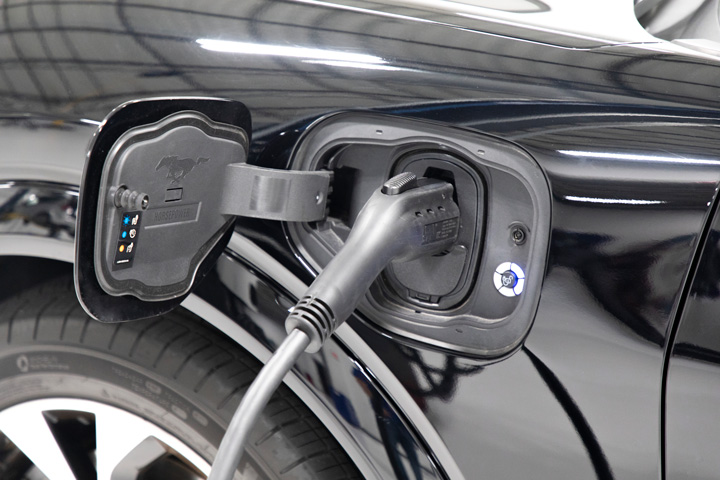
When repairing Ford/Lincoln high-voltage (HV) vehicles, many Workshop manuals provide a precaution to remove the charge port light ring before baking the vehicle in a paint booth above a certain temperature.
Genesis has position statements relating to collision repair. Let’s take a look at how to locate these position statements.
Did you know that many OEMs specify nugget size for spot and plug welds? This information is typically found within vehicle-specific repair procedures or can be found under general welding guidelines. Let’s see what Nissan/INFINITI has to say.
I-CAR had a discussion on high-voltage (HV) battery recovery.
The question is often asked, "Can supplemental restraints system wiring be repaired?" The answer is: it depends on the vehicle maker. Let's take a look at the FCA/Stellantis position on this subject.
Are you looking for OEM emergency response guides (ERGs)? The Repairability Technical Support (RTS) team has located these guides and either houses them on the RTS website, provides links to webpages that house them, or provides articles with instructions on how to locate them.
A simple bumper repair on a modern vehicle may not be as simple as it seems. New technologies like blind spot monitoring, adaptive cruise control, and other advanced driver assistance systems (ADAS) utilize sensors behind the bumper covers. The ability for these sensors to be able to see clearly normally requires special caution when considering a bumper repair. Many OEMs have different levels of warnings when it comes to repairing bumper covers with ADAS. So, what does Toyota/Lexus say on the subject?

What is a non-SRS wiring repair? It is the repairing of an electrical component that is not part of the supplemental restraints system circuit (usually identified by yellow wire looms). As technology increases on vehicles, so does the number of components that utilize electricity. Many of the sensors and modules are becoming smarter and more sensitive. If the wire is too long, the wrong gauge, or spliced in the wrong location, it can cause malfunctions in the components that it’s powering. Many OEMs have different restrictions and guidelines for repairing wiring that does not control SRS components. On the other hand, there are OEMs that don’t allow wiring repairs at all, so full harness replacement is the only option.

Are you looking for OEM emergency response guides (ERGs)? The Repairability Technical Support (RTS) team has located these guides and either houses them on the RTS website, provides links to webpages that house them, or provides articles with instructions on how to locate them.

While searching for information on advanced driver assistance systems (ADAS) on an OEM repair information site, you may come across unique calibration procedures or events. These events can vary by year and model, even within a particular make. As the RTS team has been researching these systems, we have been identifying these atypical circumstances. In order to help you better understand them, we are putting together a series of articles that help with the repair and calibration of ADAS. Let’s take a closer look at Hyundai.
When researching procedures for disabling a high-voltage (HV) vehicle, you may notice that many of the procedures require the use of specific tools. Some of them are OEM-specific tools or scan tools. Often identifying and locating where to purchase these specific tools can be difficult.