Close
|
|

|
|
What is a one-time-use part, and how do you determine if a fastener, clip, or part can be reused? These are questions that we are confronted with in the collision industry quite a lot. The other big question is "Where do I find this information?"
On October 10th, Josh McFarlin, I-CAR Director of Curriculum and Product Development was a guest columnist for Repairer Driven News (RDN). He dove into the need to train for tomorrow’s repairs.

There’s no doubt that in the future autonomous, or self-driving cars, will be seen rolling down the road. Full autonomy brings with it the better crash statistics and the freedom to become mobile for those who currently can’t drive. Waymo, a cutting-edge company for self-driving vehicles, has released a safety report. Let’s take a look at Waymo’s Safety Report.

LORD Fusor products have been serving the automotive industry for years. Did you know that Fusor also provides a blog featuring informational repair adhesive articles on their website? Let’s take a look at what these articles entail and where to find them.
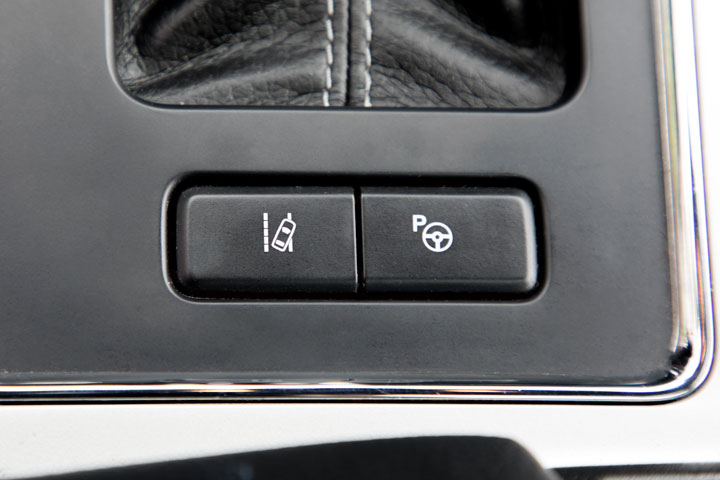
ABRN published a Damage Analysis for ADAS and Driver Convenience Systems article authored by Jason Bartanen, Industry Technical Relations Director at I-CAR. Let’s take a look at this article.

What is the MPa of the front lower rail? What is the outer uniside made of: steel, aluminum, or composite? Can heat be used to straighten or is it cold straightening only? What are the repair limitations? These are just some of the questions that the RTS team fields on a daily basis.

Some OEMs are beginning to make advanced driver assistance systems (ADAS) standard. With an increased number of vehicles on the road equipped with ADAS, it’s guaranteed you will need to repair an ADAS. Knowing how to identify and repair a vehicle with ADAS is important to creating complete, safe, and quality repairs. Let’s take a look at some I-CAR courses that address ADAS systems.
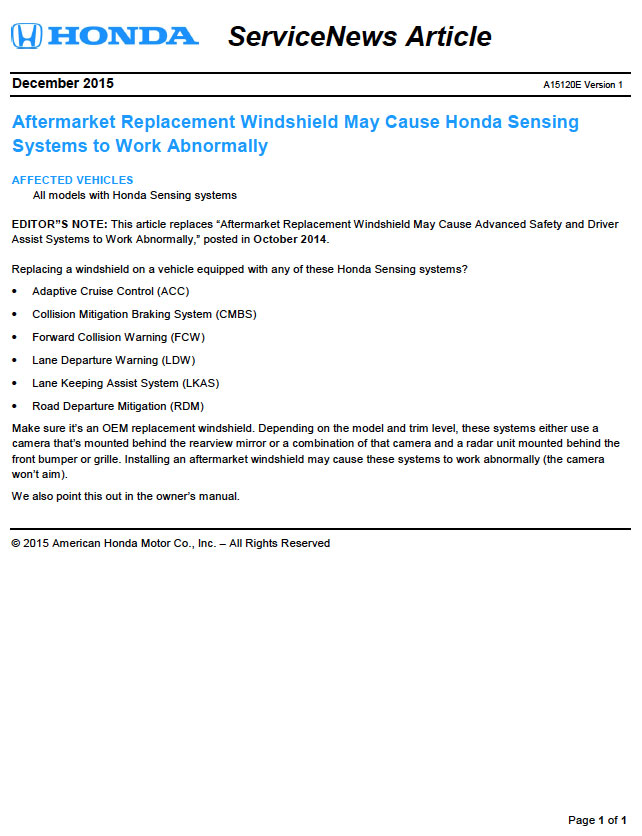
Did you know that Honda/Acura has a Service News Article that calls attention to the importance of using an OEM replacement windshield?
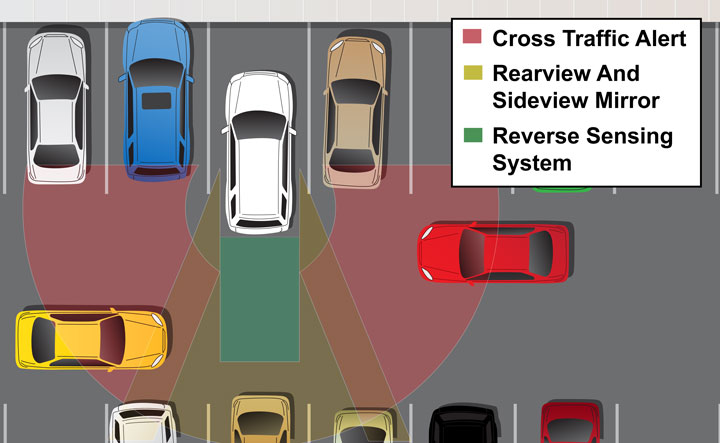
A key part of being able to diagnose a problem with advanced driver assistance systems (ADAS) is understanding how the system works. Knowing what is happening inside the system will help you properly diagnose why the system may be failing. This will prevent replacing parts that are not causing the system issue. Let’s take a look at the inner workings of a front/rear cross traffic system.
What is the MPa of the front lower rail? What is the outer uniside made of: steel, aluminum, or composite? Can heat be used to straighten or is it cold straightening only? What are the repair limitations? These are just some of the questions that the RTS team fields on a daily basis.

A key factor in collision repair is making long-lasting repairs. When a vehicle is repaired, many areas of corrosion protection are disturbed. This creates corrosion hot spots that if left untreated will lead to corrosion and potentially a repair failure. However, there are certain precautions that can be taken to safely and properly restore the corrosion protection throughout the repair process. OEMs often give specifications on restoring corrosion protection. These specifications generally include seam sealer, adhesives, foam fillers, and cavity waxes. Let’s take a look at what Volvo says.
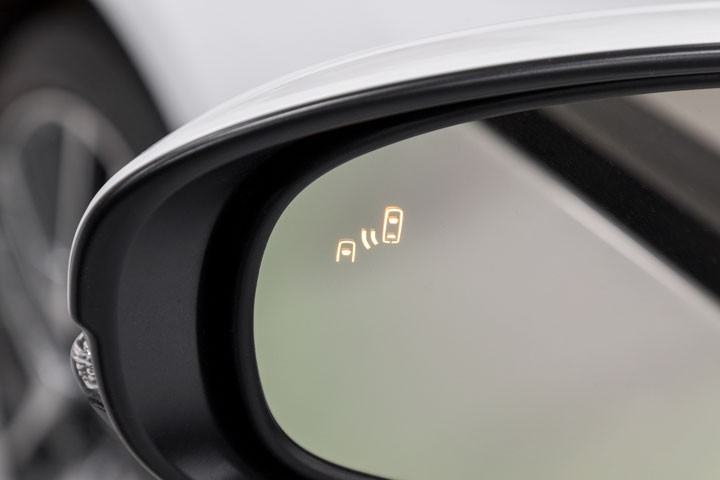
A key part of being able to diagnose a problem with advanced driver assistance systems (ADAS) is understanding how the system works. Knowing what is happening inside the system will help you properly diagnose why the system may be failing. This will prevent replacing parts that are not causing the system issue. Let’s take a look at the inner workings of a blind spot detection system.
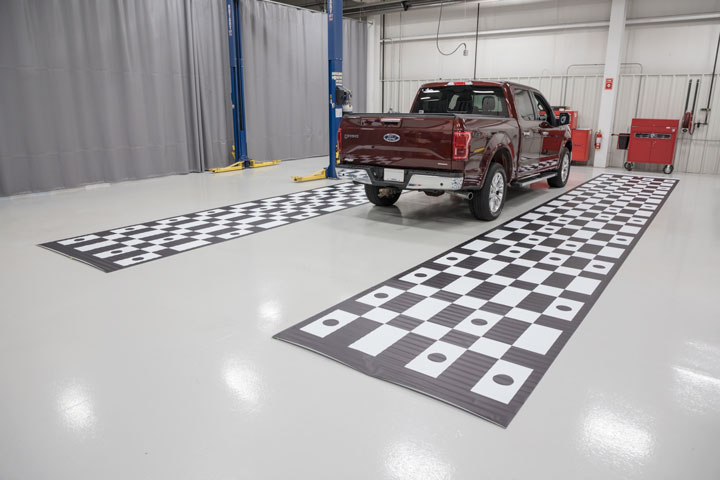
Technicians should be aware of what’s required to keep advanced driver assistance systems (ADAS) running safely after a collision. Whether that be aiming a camera, which can cause a system to not function as intended, or checking for diagnostic trouble codes (DTCs). For a basic understanding of what’s required, we’ve put together a series of articles that provide general information on what’s required to repair the system after a collision. Let’s take a look at what we learned in this series.
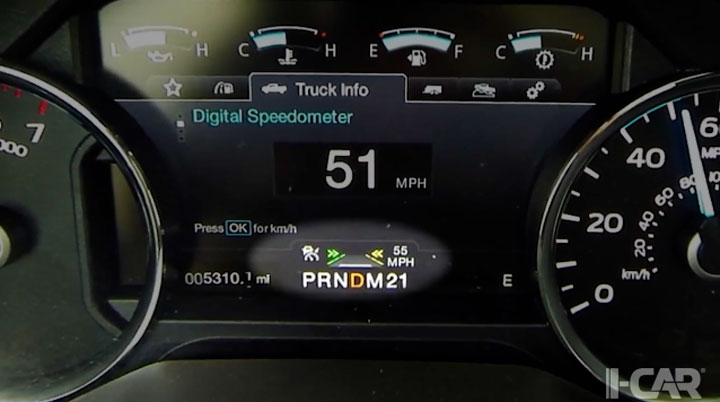
Recently, we caught up with scan tool expert Steve Zack, Bosch Technical Instructor, to learn more about calibration requirements for forward-facing cameras and sensors. To learn more about our conversation with Steve, check out this great video.
What is the MPa of the front lower rail? What is the outer uniside made of: steel, aluminum, or composite? Can heat be used to straighten or is it cold straightening only? What are the repair limitations? These are just some of the questions that the RTS team fields on a daily basis.